A strong South Florida storm rolls through, and once the rain stops, you take a quick look around. There are no shingles scattered across the yard, no water dripping from the ceiling, and your roof looks normal from the ground.
So, everything must be fine—right?
Not necessarily.
Storm damage isn’t always obvious, and a roof doesn’t have to be leaking to have a problem. High winds, heavy rain, hail, and flying debris can cause damage that may go unnoticed until the next major storm puts your roof to the test.
Knowing what to look for after severe weather can help you catch potential problems early and protect your home before minor damage becomes a much bigger repair.
Here are seven signs your roof may have storm damage—even if you haven’t noticed a leak.
1. Missing, Lifted, or Creased Shingles
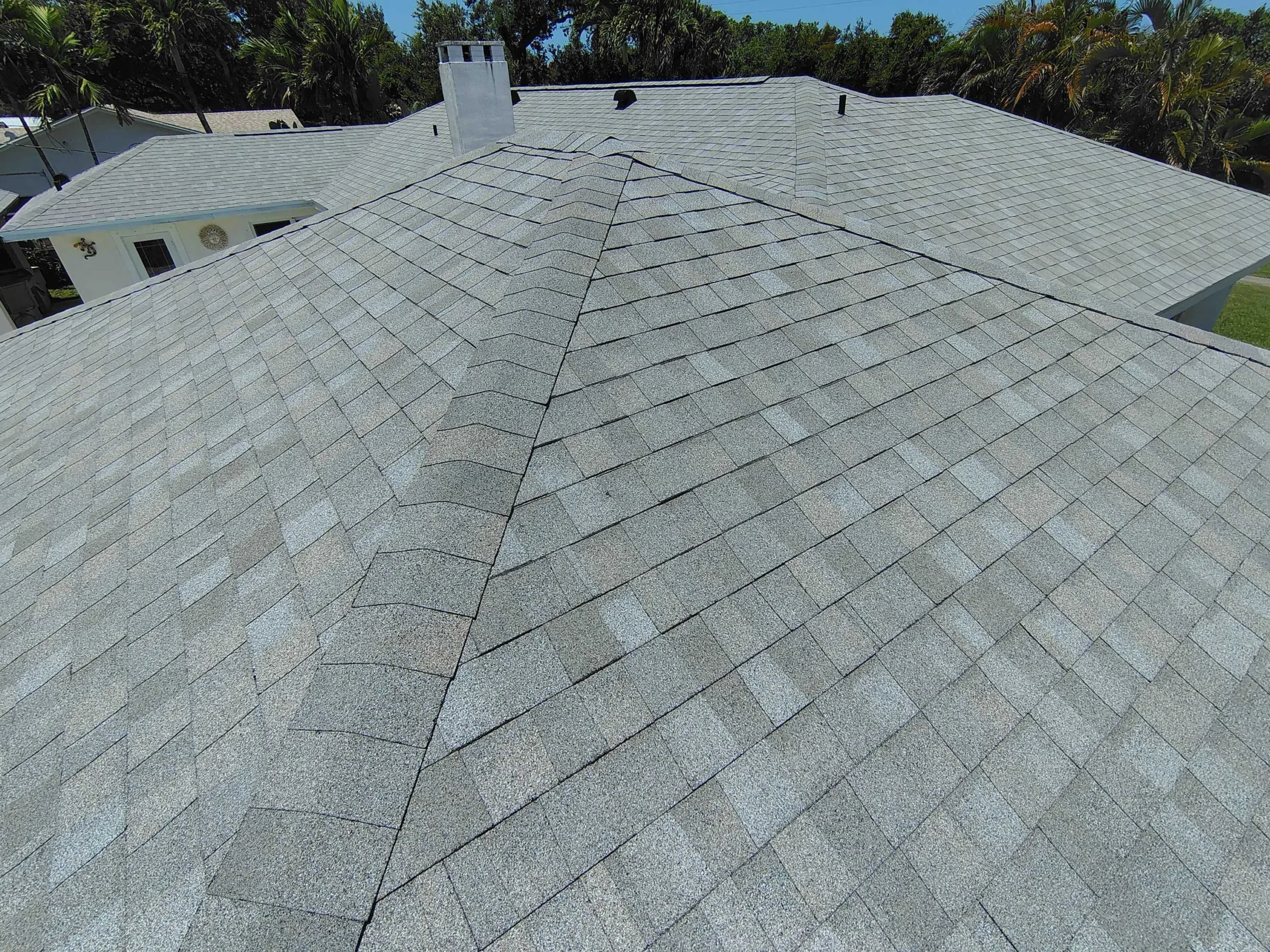
Missing shingles are one of the easiest signs of storm damage to spot, but wind doesn’t always remove a shingle completely.
Strong winds can lift shingles and weaken or break the seal underneath them. Once the wind dies down, those shingles may settle back into place and look relatively normal from the ground.
You may also notice shingles that appear curled, bent, or creased. These areas can leave your roof more vulnerable to water intrusion during future storms.
2. Excessive Granules in Your Gutters or Around Your
Home
Asphalt shingles are covered in protective granules that help shield them from sunlight and weather exposure.
Some granule loss is normal as a roof ages. However, heavy rain, hail, and wind-driven debris can cause a sudden increase in granule loss.
After a storm, check around your downspouts, gutters, driveway, or patio. If you notice an unusual amount of loose granules, it could indicate that the shingles took a beating during the storm.
3. Dents or Impact Marks
Hail and wind-blown debris can damage more than just shingles.
Look for dents or impact marks on gutters, downspouts, vents, flashing, or other metal components around the roof. Damage to these areas may also be an indication that the roofing material itself experienced an impact.
Some impact damage can be difficult to identify without getting onto the roof, which is one reason a professional inspection can be valuable after severe weather.
4. Damaged Flashing, Vents, or Roof Edges
Your shingles aren’t the only parts of the roofing system exposed during a storm.
Flashing around chimneys, vents, skylights, valleys, and other roof penetrations helps prevent water from entering vulnerable areas. Strong winds can loosen or damage these components.
The edges of the roof can also be particularly vulnerable to wind uplift. Damage in these areas may not cause an immediate leak but can create an opening for water during the next heavy rain.
5. Damage to Gutters, Soffits, or Fascia
Sometimes the first signs of roof trouble aren’t actually on the shingles.
Loose gutters, bent metal, damaged fascia, or displaced soffit panels can all indicate that strong winds affected the exterior of your home.
These components work alongside your roofing system to help manage water and protect the structure. Damage shouldn’t be ignored simply because the shingles still appear intact.
6. Water Stains or Moisture in the Attic
A storm-related roof problem doesn’t always result in water dripping from the ceiling.
Check your attic, if it is safe and accessible, for signs such as:
- Water stains or discoloration
- Damp insulation
- Musty odors
- Moisture around vents or roof penetrations
- New dark spots on the underside of the roof decking
Small amounts of water intrusion can remain hidden for some time before becoming noticeable
inside the living areas of your home.
7. Your Roof Looks Fine—but the Storm Wasn’t
This may be the most overlooked sign of all.
If your area experienced severe winds, hail, or flying debris, it may be worth having your roof inspected even if you can’t see obvious damage from the ground.
Roof damage can be subtle. A lifted shingle, weakened seal, small puncture, or damaged flashing may not create an immediate problem. But South Florida roofs don’t get much downtime during storm season.
Catching those issues early gives you an opportunity to address them before another round of heavy rain and wind arrives.
Don’t Wait for a Leak to Tell You Something Is Wrong
A leaking ceiling shouldn’t be the first indication that your roof was damaged during a storm.
After severe weather, take a look around your property for visible warning signs—but don’t climb onto the roof yourself. Wet roofing materials, loose shingles, and storm debris can make roof surfaces especially dangerous.
If you suspect damage or simply want peace of mind after a major storm, Fortress Roofing Systems can perform a professional roof inspection and help you understand the condition of your roofing system.
Serving homeowners throughout South Florida, Fortress Roofing Systems offers experienced guidance without the high-pressure sales pitch.
Think your roof may have taken a hit during the latest storm? Schedule your no-cost roof inspection with Fortress Roofing Systems today.

 August 5, 2026
 0 Comments