Metal held 18% of the U.S. residential roofing market in 2023, with steel making up 82% of that share, according to a Metal Construction News report. Reroofing and replacement projects are driving much of that growth.
This guide breaks down the main material types, top styles, real cost ranges, and how metal shingles stack up against asphalt. The right choice depends on your budget, your climate exposure, and how you want your roof to look.
Key Takeaways
- Metal shingles combine metal's durability with the classic look of asphalt, wood shake, or tile
- Steel and aluminum dominate the market; copper and zinc offer premium, century-plus lifespans
- Higher upfront cost pays off: metal lasts 2–3x longer than asphalt, lowering cost per year
- Stone-coated and interlocking metal shingles lead for storm resistance and curb appeal
- Certified installation matters as much as material choice for hurricane-zone performance
What Are Metal Roofing Shingles?
Metal roofing shingles are individual or interlocking metal panels engineered to mimic asphalt shingles, wood shakes, or clay tiles, while delivering metal's strength underneath. Common options include stone-coated steel shingles and metal shake shingles: metal roofing designed to look like traditional materials, not a metal roof.
There are two main categories of metal roofing:
- Metal shingles — smaller, interlocking panels styled to resemble traditional roofing materials
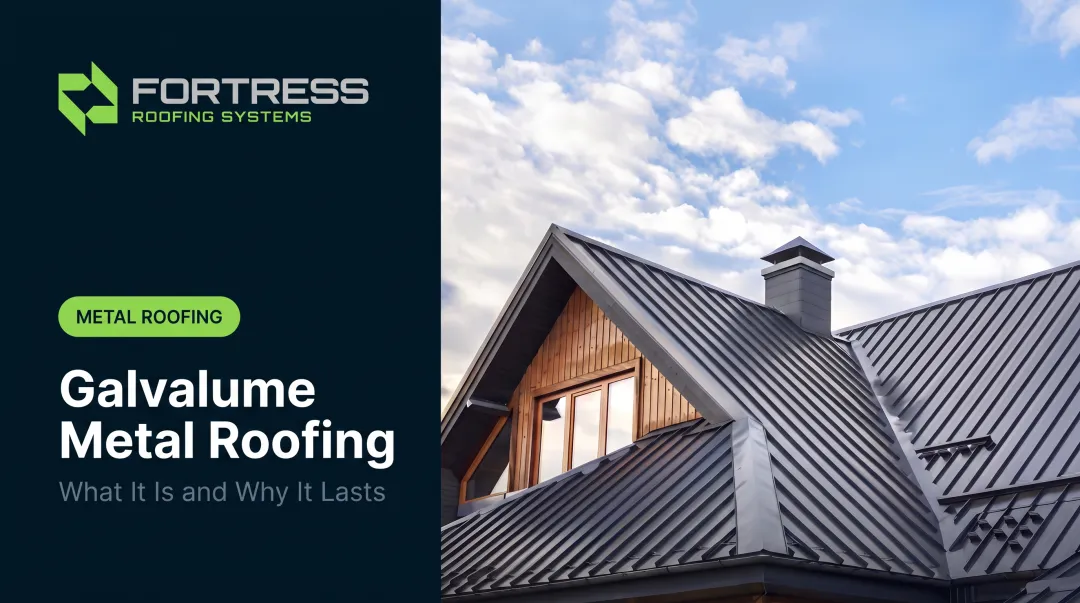
- Standing seam panels — long, continuous metal sheets with raised vertical seams, giving a sleeker, more modern look
Metal shingles suit homeowners who want strong storm performance without giving up a traditional roof look.
Types of Metal Roofing Shingles: Materials, Pros & Cons
Material choice drives most of the cost, longevity, and performance differences between shingle options. Here's how the four main types compare.
Steel Shingles
Steel, whether galvanized, galvalume, or stone-coated, is the most popular and affordable metal shingle option. It handles high wind, hail, and heavy loads well—a practical fit for hurricane-prone regions—and quality coated steel can last 50+ years with proper maintenance.
The tradeoff: if the protective coating gets compromised, steel can rust. It's also heavier than aluminum, which matters for older structures.
Aluminum Shingles
Aluminum doesn't rust, period. That makes it a strong pick for coastal, salt-air environments like South Florida, where corrosion is a constant threat to other metals.
The tradeoff: aluminum is softer than steel, so it's more prone to denting from hail or falling debris.
Copper Shingles
Copper is the most expensive metal shingle material on the market. Lifespans often exceed 100 years, and the metal develops a distinctive greenish patina over time.
The tradeoff: the high upfront cost generally limits copper to premium homes or historic restorations.
Zinc Shingles
Zinc forms a self-healing patina: minor scratches gradually get covered as the surface naturally regenerates. Zinc roofs often last 80–100+ years, putting them among the longest-lasting options available.
Availability is the downside. Zinc is less widely available in the U.S. and needs installers experienced with the material.

Best Metal Roofing Shingle Styles & Grades
Material is only half the equation. Style and metal gauge determine how a shingle actually performs on your roof.
Stone-Coated Steel Shingles
Stone coating adds fire resistance, texture, and a wide range of colors while mimicking shakes, tile, or slate. This is often the style homeowners picture when they think "metal roof that looks like shingles." The granular surface also helps dampen rain noise and improves impact resistance in storm-prone markets like South Florida.
Standing Seam vs. Shingle-Style Panels
| Feature | Standing Seam | Shingle-Style |
|---|---|---|
| Fasteners | Hidden/concealed | Often exposed |
| Look | Clean, modern lines | Traditional curb appeal |
| Cost | Highest | More moderate |
| Best for | Modern builds | Classic or historic homes |

Choice depends on the look you want and how the roof will be fastened.
Understanding Metal Gauge and Grade
Lower gauge numbers mean thicker, stronger metal. General residential steel guidance points to a 24-29 gauge range, while Florida's building code sets minimums like 0.019 inches for press-formed aluminum shingles under the 2023 Florida Residential Code.
Key points for Florida roofs:
- Gauge alone doesn't guarantee hurricane performance; fastener schedule, deck condition, and underlayment matter just as much
- Florida accepts several wind-resistance test standards, including ASTM D3161, FM 4474, UL 580, UL 1897, and TAS 107
- Always verify a product's current Florida Product Approval or Miami-Dade NOA before installation
Fortress Roofing Systems' team holds Master Elite Installer certification from GAF, one of the industry's most selective credentials. Proper installation—correct fastener spacing, compatible flashing, and code-compliant underlayment—is what determines whether a premium-grade shingle survives hurricane season intact.

Metal Shingles vs. Asphalt Shingles: Which Is Better?
The lifespan gap alone makes this comparison lopsided. Metal shingles typically last 40-50 years or longer, according to Consumer Reports, while basic asphalt shingles run 15-25 years.
Cost, durability, and cooling performance fill in the rest:
- Durability: Metal generally holds up better in high wind and hail; Class 4 impact ratings are available in both materials
- Upfront cost: Metal costs more per square, but the longer lifespan lowers cost per year of service
- Energy efficiency: Reflective metal coatings can cut peak residential cooling demand by 11%-27%, per the EPA—a real edge in South Florida heat

For homeowners planning to stay put for decades, metal's math tends to work out. For a shorter hold, asphalt's lower entry cost still has appeal.
How Much Do Metal Roofing Shingles Cost?
Installed pricing varies widely by material. Based on 2025 industry benchmarks, metal shingles typically run:
| Material | Installed Cost per Sq. Ft. | 30 Squares (approx.) |
|---|---|---|
| Steel | $7-$14 | $21,000-$42,000 |
| Aluminum | $8-$15 | $24,000-$45,000 |
| Zinc | $15-$25 | $45,000-$75,000 |
| Copper | $18-$30 | $54,000-$90,000 |
For a 3,000 sq. ft. roof (roughly 30 squares of actual roof surface, not floor area), average installed metal shingle costs typically fall around $18,000-$42,000 installed, according to a 2025 Best Buy Metals cost analysis.

A few things swing the final number:
- Roof pitch and complexity — steeper or more cut-up roofs cost more to install
- Underlayment requirements — code-compliant systems add material and labor costs
- Fastener type — concealed fasteners generally cost more than exposed
- Labor rates — vary by region, with storm-season demand in markets like Florida often pushing costs up
Fortress Roofing Systems offers free in-home consultations with line-item cost breakdowns tailored to your roof. For storm damage, they also help with insurance claims, including adjuster communication and documentation.
Frequently Asked Questions
How much are the new metal roofs that look like shingles?
Stone-coated and metal shake shingles typically run $6-$14 per square foot installed, or roughly $600-$1,400 per square, depending on material and finish.
How much does a metal roof cost for a 3,000 sq ft house?
For a 30-square roof, most metal shingle systems install between $18,000 and $42,000. Copper and zinc run higher and usually sit outside that band.
What is a metal roof that looks like shingles called?
These are commonly called stone-coated steel shingles or metal shake panels. Both mimic traditional roofing materials while delivering metal's durability.
What is the longest lasting metal roof?
Zinc and copper last the longest, with documented lifespans often exceeding 100 years when properly installed and maintained.
Which is better, metal shingles or asphalt shingles?
Metal shingles last roughly 2-3x longer than asphalt and handle storms better, but cost more upfront. Asphalt remains cheaper initially with a shorter service life.
What is the best grade of metal roofing?
Look for steel in the 24-26 gauge range or aluminum around .032 inches or thicker, paired with current Florida Product Approval documentation for your climate zone.